Why You Shouldn’t Ignore the Signs of Chronic Venous Disease
At Southern Kentucky Vascular, our vascular specialists often meet patients who have spent years "just living with" heavy, aching legs or unsightly bulging veins. Many assume these symptoms are simply a natural part of aging or the result of a long day on their feet. However, persistent leg discomfort is often more than just a nuisance—it is frequently a sign of Chronic Venous Disease (CVD).
CVD is a progressive condition that occurs when the valves in your leg veins don’t work effectively, making it difficult for blood to return to the heart from the limbs. When left untreated, what starts as a cosmetic concern can evolve into a serious medical issue. Here is why you should never ignore the early warning signs.
Understanding the Gravity of the Situation
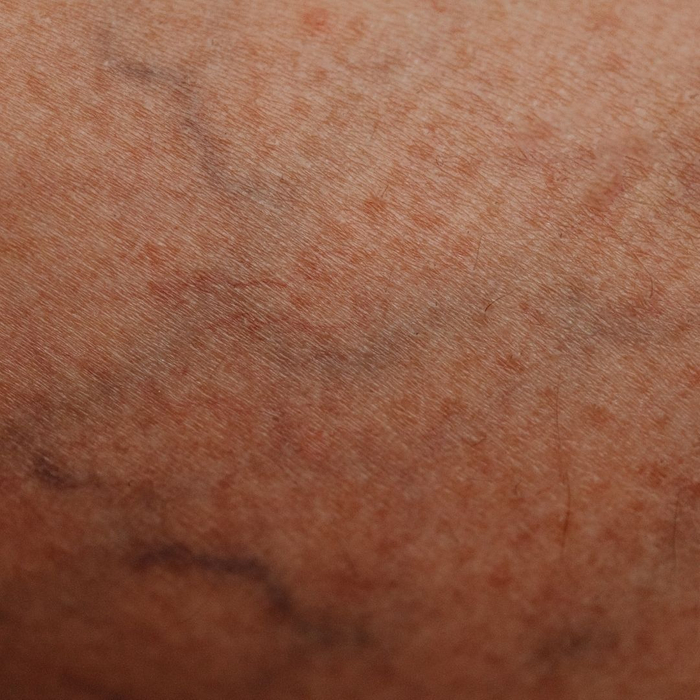
Your veins have a difficult job: they must pump blood upward against gravity. To do this, they rely on tiny one-way valves. When these valves weaken or fail, blood begins to pool in the lower legs—a process known as venous reflux. This creates high pressure within the veins. Because CVD is progressive, the damage rarely stays stagnant; without intervention, the internal pressure continues to mount, leading to increasingly severe symptoms.
More Than Skin Deep: The Progression of Varicose Veins
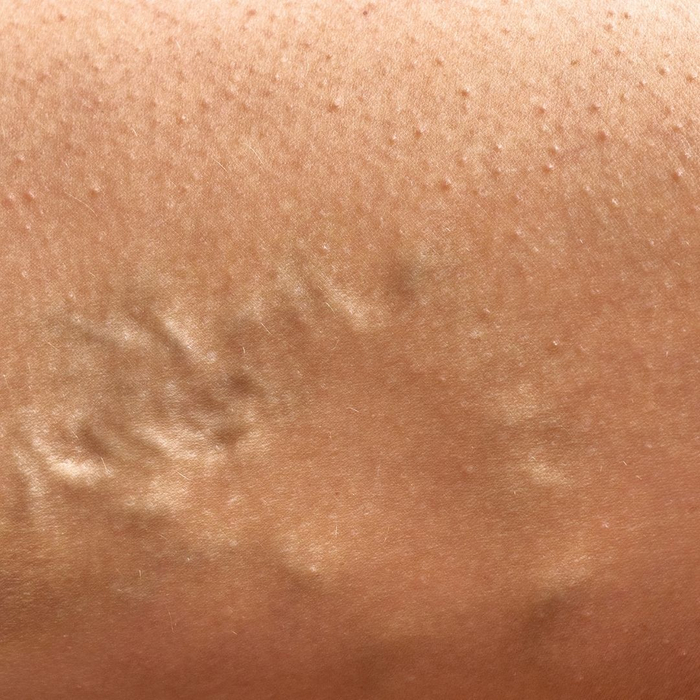
For many, the first sign of CVD is the appearance of varicose veins. While often dismissed as a cosmetic issue, these bulging, twisted veins are a clear indicator that the venous system is struggling. Beyond how they look, varicose veins can cause a persistent "heavy" feeling, throbbing, or cramping. Ignoring them allows the underlying valve failure to continue unchecked, which can eventually lead to more complex circulatory problems.

The Risk of Spontaneous Bleeding
As venous disease progresses, the veins closest to the surface of the skin become increasingly fragile and pressurized. Because the skin over these veins often thins out over time, even a minor bump or scratch can cause significant, profuse bleeding. This "spontaneous" bleeding can be frightening and difficult to stop without the medical assistance of a vascular specialist. Proactive treatment can strengthen the vascular system and prevent the skin degradation that leads to these episodes.

Chronic Skin Changes and Stasis Dermatitis
If you notice the skin around your ankles or shins becoming discolored, leathery, or itchy, your veins may be to blame. Long-term blood pooling causes inflammation that eventually changes the texture and color of your skin, often turning it a dark reddish-brown. This is known as stasis dermatitis. These changes are often permanent, meaning the best time to seek treatment from a vascular doctor is before the skin begins to scar and pigment.
The Danger of Venous Ulcers
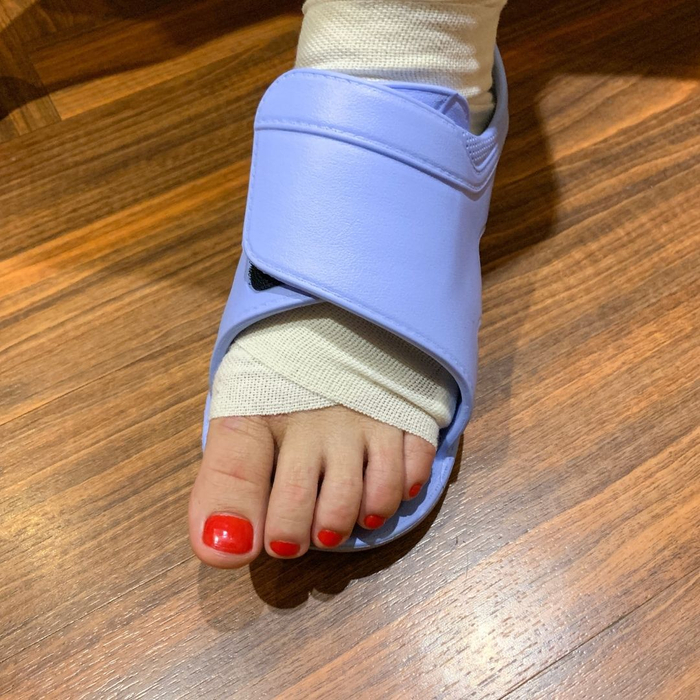
The most severe stage of untreated CVD is the development of venous ulcers. Because the high pressure in the veins interferes with healthy blood flow and oxygen delivery to the skin, the tissue can eventually break down entirely, forming an open sore. These ulcers are notoriously slow to heal and are highly susceptible to infection. At Southern Kentucky Vascular, our goal is to intervene long before a patient reaches this painful and debilitating stage.
Blood Clots and Deep Vein Thrombosis (DVT)
Sluggish blood flow is a leading risk factor for the formation of blood clots. While superficial clots (phlebitis) are painful, the greater concern is Deep Vein Thrombosis (DVT). If a clot forms in the deeper venous system, it can break loose and travel to the lungs, causing a life-threatening pulmonary embolism. Treating CVD helps maintain healthy "flow," significantly reducing the risk of stagnant blood forming dangerous clots.
Don’t Wait for the Pain to Get Severe
The good news is that modern vascular medicine offers highly effective, minimally invasive treatments. From radiofrequency ablation (RFA) to sclerotherapy, we can now treat the root cause of venous disease in an office setting with little to no downtime. You don’t have to live with leg pain, and you shouldn't wait for complications to arise before seeking help.
If your legs are feeling heavy, tired, or swollen at the end of the day, don’t wait for symptoms to worsen. Our vascular specialists at Southern Kentucky Vascular are dedicated to restoring your vascular health and improving your quality of life. Contact us to schedule an appointment at our Somerset location!