
Don't Walk It Off: Men, Leg Pain, and PAD
At Southern Kentucky Vascular, we see it all the time: men who have been brushing off leg pain for months, even years, chalking it up to getting older, working too hard, or just being "a little out of shape." By the time they come through our doors, what started as occasional leg symptoms has quietly become a serious threat to their limb health and their life.
That condition is Peripheral Artery Disease, or PAD. If you're a man in Southern Kentucky, or this sounds like someone you know and love, this is a conversation you need to have.
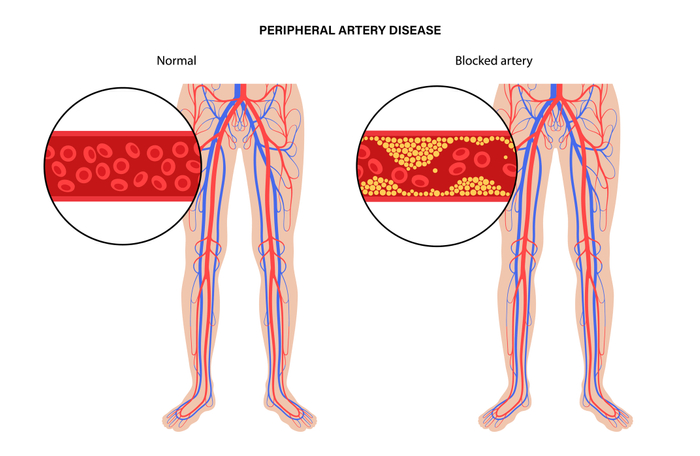
What Is PAD?
Peripheral Artery Disease is a circulatory condition in which narrowed arteries reduce blood flow to the limbs, most often the legs. The cause is the same process behind most heart disease: the buildup of fatty deposits, or plaque, in the artery walls. Over time, those arteries stiffen and narrow, and the muscles in your legs stop getting the oxygen-rich blood they need to function properly.
PAD affects an estimated 8 to 12 million Americans, and men (particularly men over 50) are among the highest-risk groups. Here in Kentucky, the stakes are even higher. The state leads the nation in the prevalence of cardiovascular risk factors and in cardiovascular mortality — and in Appalachian and Southern Kentucky, heart disease death rates run 45% above the national average.

Why Men Are at Greater Risk
Men develop PAD earlier than women and are diagnosed with it more frequently, especially in middle age. Several factors contribute to this:
Smoking. Tobacco use is one of the most significant risk factors for PAD, and men have historically smoked at higher rates. Smoking damages artery walls and accelerates the buildup of plaque, dramatically increasing PAD risk. Kentucky's smoking rate remains among the highest in the country and has shown little sustained improvement over the past two decades.
Diabetes. Men with diabetes face a compounded risk. Diabetes damages blood vessels and nerves, and when combined with PAD, the results can be devastating, including non-healing wounds and, in serious cases, amputation. Roughly one in seven Kentucky adults has been diagnosed with Type II diabetes, with an additional 1.1 million living with prediabetes, many of them unaware.
High blood pressure, high cholesterol, and obesity. These conditions quietly damage arteries over time and are widespread among Kentucky men in particular. Kentucky men rank second in the nation for obesity, with nearly 39% classified as obese — a rate that compounds risk for every other condition on this list.
Reluctance to seek care. Perhaps one of the biggest risk factors for men isn't biological at all — it's cultural. Men are less likely to visit a doctor, less likely to report symptoms, and more likely to wait until a problem becomes impossible to ignore. In Southern Kentucky, limited access to specialty care makes that delay even more dangerous; the region has roughly 59% fewer specialty physicians per capita than the national average. With PAD, waiting can cost years of quality life and, in the worst cases, a limb.

Recognizing the Warning Signs
PAD often flies under the radar because its most common symptom, leg pain during activity that goes away with rest, is easy to dismiss. This symptom is called claudication, and many men simply assume it's normal aging, muscle soreness, or arthritis.
Other warning signs include:
- Leg numbness or weakness
- Coldness in the lower leg or foot, especially compared to the other side
- Sores on the toes, feet, or legs that won't heal
- A change in the color of your legs
- Hair loss or slower nail growth on the feet and legs
- A weak or absent pulse in the legs or feet
As PAD progresses, pain can occur even at rest — a sign that blood flow has become critically limited.
The Connection to Heart Attack and Stroke
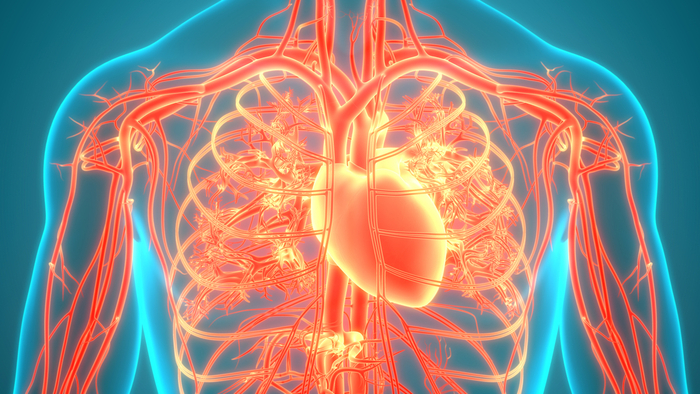
Here's what makes PAD more than just a leg problem: the same plaque buildup happening in the arteries of your legs is very likely happening in the arteries around your heart and brain. Men with PAD have a significantly elevated risk of heart attack and stroke. In fact, PAD is often considered a marker of widespread cardiovascular disease throughout the body.
Getting diagnosed and treated isn't just about your legs — it's about protecting your heart and your life.
What Treatment Looks Like
The good news is that PAD is treatable, and most men do not need surgery. At Southern Kentucky Vascular, our team tailors treatment to where you are in your disease process.
For many patients, lifestyle changes (stopping smoking, adopting a heart-healthy diet, and a supervised walking program) can make a meaningful difference. Medications to manage cholesterol, blood pressure, and blood sugar are also a cornerstone of care.
For patients with more significant blockages, minimally invasive procedures such as angioplasty and stenting can restore blood flow without major surgery. In more advanced cases, surgical bypass may be recommended to reroute blood around a blocked artery.
The earlier PAD is caught, the more options we have and the better your outcomes.

Don't Wait. Get Checked.
If you're a man over 50 (or younger with risk factors like smoking, diabetes, or high blood pressure) and you've been noticing any of the symptoms above, don't write it off. A simple physical exam and non-invasive testing can tell us a great deal about the health of your arteries.
At Southern Kentucky Vascular, we're here to help the men of our community stay active, stay healthy, and stay ahead of vascular disease. Call our office today to schedule a consultation, because taking care of yourself isn't a sign of weakness. It's the smartest thing you can do.
Southern Kentucky Vascular specializes in the diagnosis and treatment of vascular conditions including Peripheral Artery Disease. Our team is proud to serve patients across Southern Kentucky with compassionate, expert vascular care.