
The Amputation Epidemic: What Untreated PAD Actually Costs
Most people think of amputation as a worst-case scenario that happens to someone else, a distant risk reserved for the most severe cases. The numbers tell a different story. But before we get into them, here's the thing worth holding onto the whole way through: none of what follows is inevitable. It's a description of what happens when Peripheral Artery Disease (PAD) goes unmanaged for too long, not a preview of what has to happen to you or someone you love.
A HARD LOOK AT THE NUMBERS
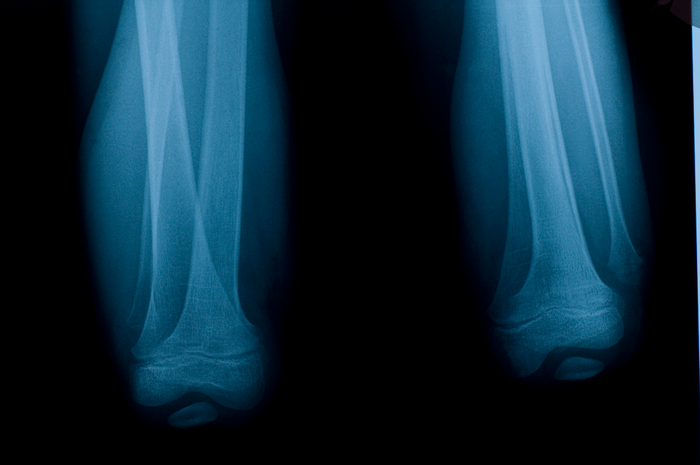
Mortality after major lower-extremity amputation is high, and it stays high in the years that follow surgery. Published one-year mortality rates for major amputation range roughly from 13% to 48%, depending on the patient population studied. That risk climbs further by year two and beyond. That's not a complication of the surgery itself so much as a reflection of how sick the underlying vascular disease already was by the time amputation became necessary. Amputation isn't usually the disease. It's the endpoint of a disease that went unmanaged for too long.
What this means: the risk here isn't really about the operating room. It's about how much time has passed, and how far PAD was allowed to progress, before anyone intervened. That's an important distinction, because it means the risk is largely tied to when care happens, not to amputation as a procedure in itself. Patients who are evaluated and treated earlier in the course of PAD are, by definition, not the patients these statistics describe.

The Surgery Itself Carries Real Risk
Amputation is major surgery, and the body often isn't in a position to handle it well by the time it's needed. In a national surgical-outcomes analysis of nearly 7,000 patients, below-the-knee amputation (BKA) carried a 30-day operative mortality rate of roughly 6.5%. Above-the-knee amputation (AKA), typically needed when the disease has progressed further, carried a rate of roughly 12.7%.2 These aren't long-term risk figures. This is the risk of not surviving the surgery and its immediate aftermath.
What this means: these numbers reflect a population of patients who were often already managing serious, advanced illness: significant heart or kidney disease, longstanding diabetes, or infections that had progressed for weeks or months before surgery became necessary. The risk isn't a flat statement about amputation surgery. It's a reflection of how sick the whole body often is by that point. It's also worth saying plainly: when amputation genuinely is the right and necessary treatment, because a limb can't be saved, because prior attempts at revascularization haven't worked, or because infection has become life-threatening, it can be the safest, most appropriate, and even lifesaving choice. The goal isn't to make amputation sound frightening in every case. It's to make sure it's only ever a last resort, arrived at after every reasonable alternative has genuinely been tried.
Recovery Is Not Guaranteed
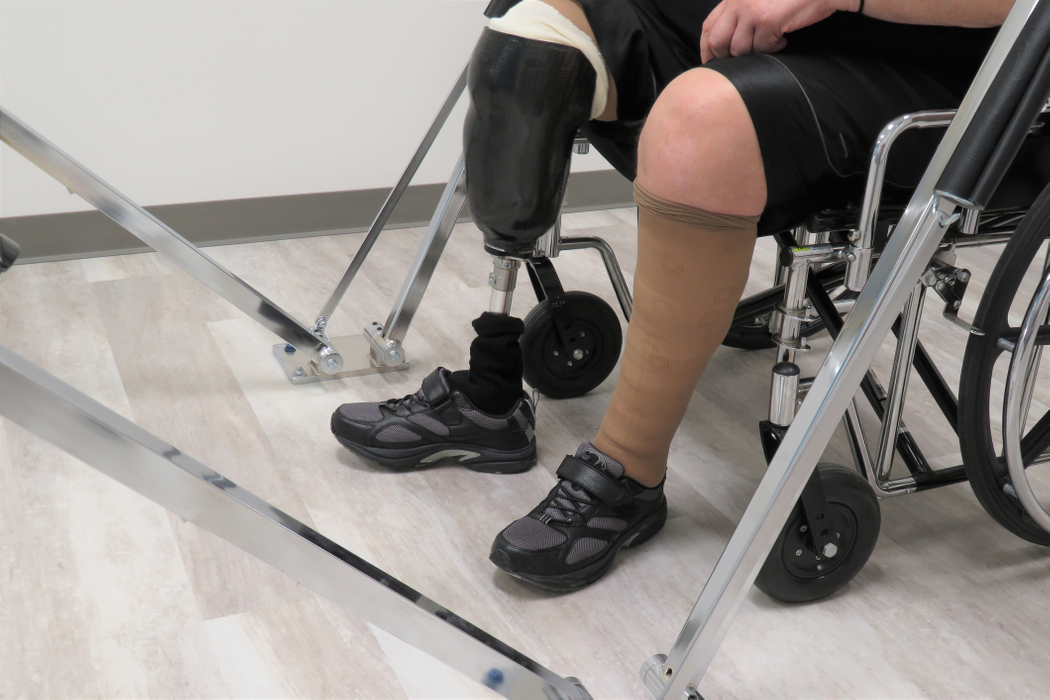
For those who do survive, "recovery" doesn't mean what people often assume. Across published studies, fewer than half of major lower-extremity amputation patients are ambulatory (able to walk, with or without assistance) one year after surgery.3 One single-center study found that of patients with a single BKA, half achieved prosthetic ambulation, compared to only 1 in 5 patients with a single AKA.4 Many patients are discharged not home, but to a nursing facility, often permanently.
This is the part that gets lost in conversations about PAD: amputation isn't a fix. It's often a cascade. Loss of a limb frequently means loss of independence, loss of employment, and a significant decline in quality of life, on top of the actual medical risk itself.
What this means: this is genuinely hard information to sit with, especially if you or someone you love is facing this decision right now. It's worth saying clearly: these numbers describe averages across large groups of patients, not a prediction about any one person. Age, overall health, how quickly rehabilitation begins, and the level of the amputation all shape outcomes significantly, and many patients can and do go on to regain meaningful mobility and independence. The point of sharing this isn't to suggest recovery is impossible. It's to be frank and clear about what we know about amputation and its impact. It is a demanding process that patients and families should go into with accurate expectations and the right support in place from the start, rather than being caught off guard.
The Good News? Early PAD Is Highly Treatable
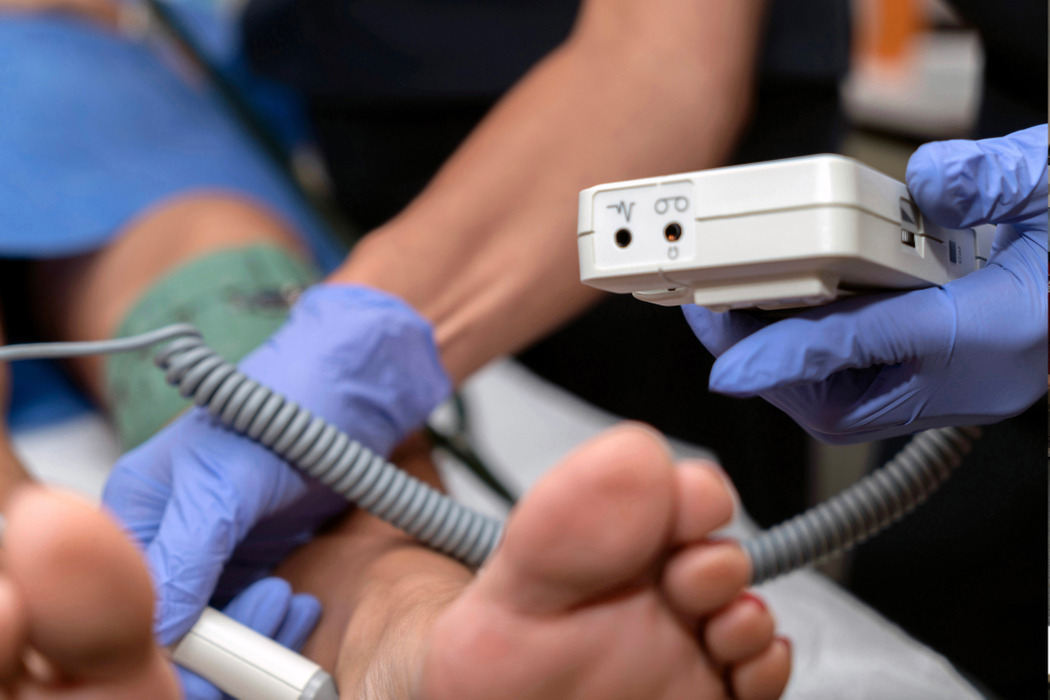
Every one of these outcomes traces back to a period, often years, when Peripheral Artery Disease (PAD) was progressing quietly. PAD is the narrowing of the arteries that supply blood to the legs, and in its early stages, it's highly treatable. Lifestyle changes, medication, and minimally invasive procedures can often restore blood flow and prevent progression entirely.
The tragedy embedded in the amputation statistics isn't that treatment doesn't work. It's that, for too many patients, treatment was never tried, because the disease wasn't caught in time.
What this means for you: if you're reading this because you're worried about your own legs, or about someone you care for, take a breath. Noticing a symptom, asking a question, or scheduling an evaluation is not an overreaction. It's exactly the step that moves you out of these statistics and into the group of patients whose PAD gets caught early, managed well, and never becomes a story about amputation at all. Most people who come in for a PAD evaluation do not end up needing anything close to surgery. The earlier that conversation happens, the more true that stays.
The Takeaway
Amputation is what happens at the far end of a spectrum that starts somewhere much less dramatic: a leg that cramps on the stairs, a foot that's always a little colder than the other, a sore that's taking longer to heal than it should. None of those symptoms feel like an emergency. That's exactly why they're worth taking seriously, not because something is definitely wrong, but because finding out either way, early, is what keeps the more serious chapters of this story from ever being written.
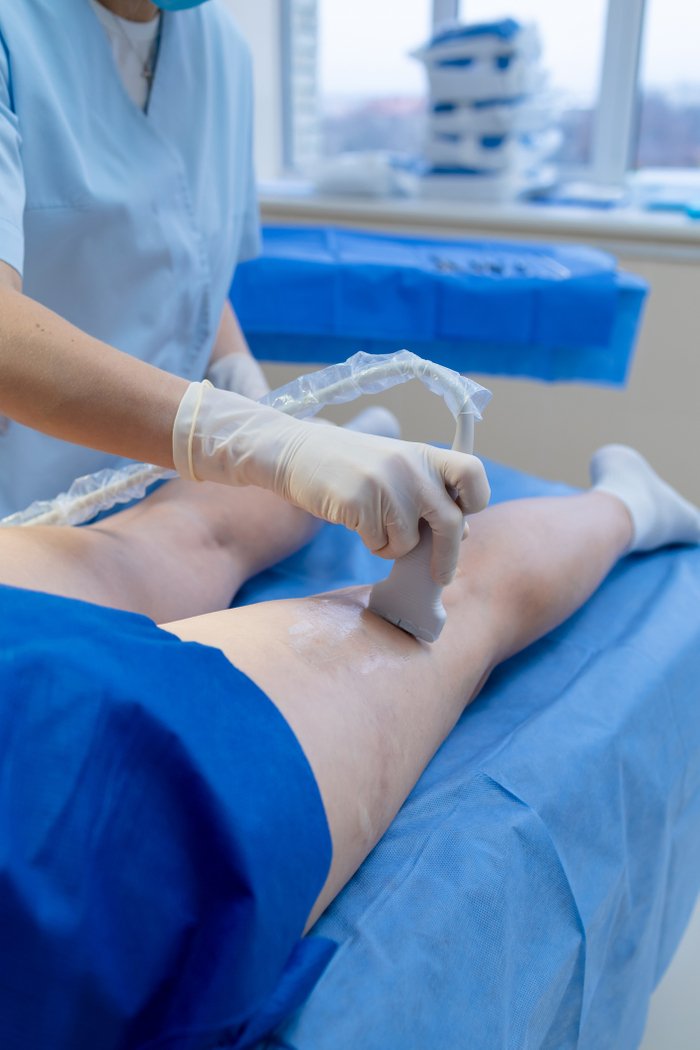
If you're experiencing any of these signs, or you have risk factors like smoking, diabetes, high blood pressure, or high cholesterol, a PAD evaluation is a simple, painless way to find out where you stand while there are still options on the table. And if you're already facing a conversation about amputation, it's always reasonable to ask whether every alternative has genuinely been explored first, or to get a second opinion from a vascular specialist before that decision is finalized.
References
1. Life Expectancy and Mortality After Lower Extremity Amputation: Overview and Analysis of Literature. Cureus / PMC, 2023. Reports 1-year mortality following LEA ranging 13 to 40% across studies, rising in subsequent years.
2. Aulivola B, Hile CN, Hamdan AD, et al. Major lower extremity amputation: outcome of a modern series. Arch Surg. Predictors of operative mortality following major lower extremity amputations using the NSQIP public use data. 30-day operative mortality: 6.5% BKA, 12.7% AKA (n=6,839).
3. Kayssi A, et al. Ambulation and functional outcome after major lower extremity amputation. J Vasc Surg. 2018. Overall 1-year postamputation ambulatory rate: 46.1%.
4. Rate of and Factors Associated with Ambulation After Unilateral Major Lower-Limb Amputation at an Urban US Tertiary-Care Hospital. Prosthetic ambulation rate: 50.0% for unilateral BKA, 20.0% for unilateral AKA.
Schedule a consultation with Southern Kentucky Vascular
Most severe vascular complications are completely preventable with timely care. Restoring blood flow and protecting your legs starts with a simple conversation.
Southern Kentucky Vascular specializes in the diagnosis and treatment of vascular conditions including Peripheral Artery Disease. Our team is proud to serve patients across Southern Kentucky with compassionate, expert vascular care.