
Why Outpatient Care Is Changing the Way We Treat Peripheral Artery Disease
If you or a loved one has been told you have peripheral artery disease (PAD), you probably know the drill: dealing with the symptoms of narrowed arteries in the legs, pain, cramping, wounds that won't heal. When you hear "treatment," you probably picture a hospital stay: monitors beeping through the night, a nurse checking in every couple of hours as you try to sleep in a bed that isn't yours with a long recovery looming. For a long time, that was pretty much true.
It isn't anymore.
Vascular surgery technology has transformed over the past fifteen years. Angioplasty, stenting, and atherectomy, procedures that once meant a hospital admission, can now be done safely on an outpatient basis, with you walking out the same day. That's the model Southern Kentucky Vascular is built around. And it's not just our word for it, the research backs it up.
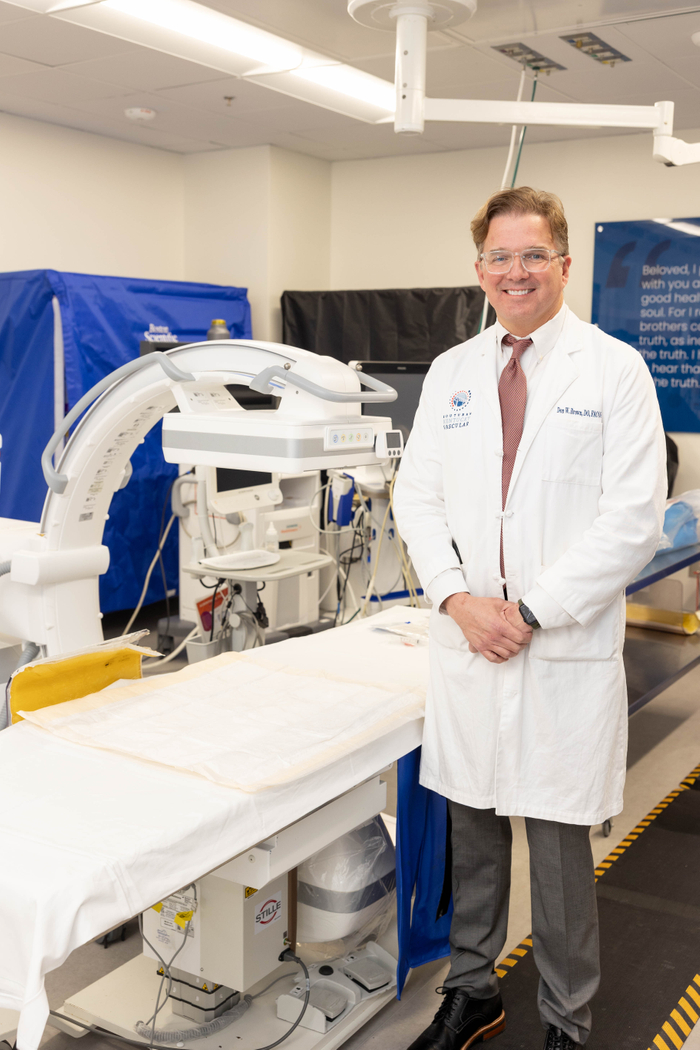
What the Research Shows
A large systematic review and meta-analysis published in 2024 pooled data from 31 studies covering nearly 100,000 outpatient, or "day-case," peripheral vascular procedures performed between 2000 and 2024. The numbers held up well:
Technical success was achieved in roughly 93% of procedures.
Minor complications, mostly related to the puncture site and manageable without hospitalization, occurred in about 4.7% of cases.
Major complications requiring hospitalization occurred in only about 0.64% of cases, less than 1 in 150.
Fewer than 2% of patients needed to be converted to an inpatient admission, and readmission after discharge happened in roughly 1 in 900 cases.
In the studies that directly compared the two settings, complication rates for outpatient procedures weren't meaningfully different from complication rates for the same procedures done as inpatient hospital cases.
That finding holds up outside the meta-analysis, too. A separate study looking at nearly 700 outpatient endovascular procedures performed in a rural, medically underserved area found that 99.3% of patients were safely discharged the same day. The complications that did occur were mostly minor and handled on the spot. Similar results have shown up going back to some of the earliest outpatient vascular programs in the 1990s, and they've held up as the technology and technique have kept improving.
That pattern holds true here at home, too. Our own outcomes data at Southern Kentucky Vascular, tracked through the Outpatient Endovascular and Interventional Society (OEIS) registry, shows a 99.7% procedural success rate across more than 1,150 office-based procedures, with an overall complication rate of just 0.432%. Of those cases, 99.23% were performed in our office-based setting rather than a hospital, and our hospital transfer rate sits at 0.35%, or 4 transfers out of over a thousand procedures.
Put simply: if you're the right candidate, outpatient vascular care isn't a lesser option, it can provide the best outcome. Across the research, people treated in an outpatient setting do as well as and often better than those treated as inpatients, without the added risks that come with a hospital stay. This finding is backed by a large and growing body of evidence.
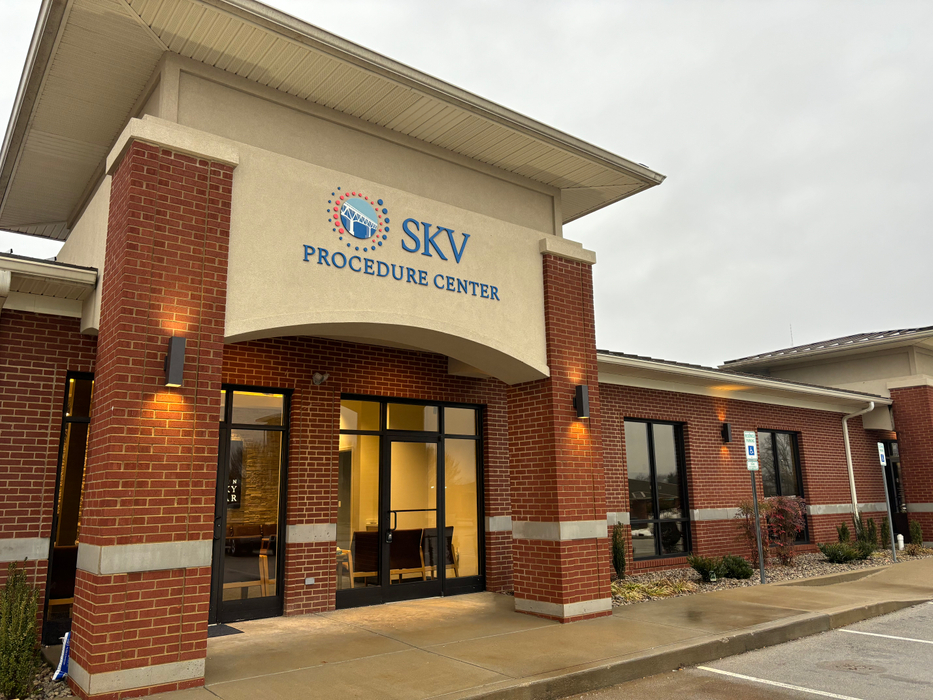
Why That Matters to You, Our Patient
Safety data is the foundation, but you feel the difference in other ways too.
You go home the same day, to your own bed and your own routine, instead of an unfamiliar hospital room overnight. Recovery tends to be faster and more comfortable, since these are minimally invasive procedures done through a small puncture under local anesthesia rather than open surgery. Scheduling is usually simpler too. Outpatient centers can often offer more flexible appointment times and shorter waits than a hospital surgical schedule allows.
There's also something to be said for continuity. You see the same physician and the same team from your first consultation through the procedure and follow-up. That builds trust, and it makes it easier to catch problems early if something isn't quite right.
None of this is a knock on hospitals. It's really the opposite.

A Partnership, Not a Replacement
Hospitals remain essential to vascular care, and that isn't going to change. Patients with significant comorbidities, unstable disease, critical limb-threatening ischemia, or anything that might require overnight monitoring or surgical backup need the full resources of a hospital system, and they deserve to have that available. The safety data on outpatient care is built on careful patient selection: good outpatient candidates typically have a responsible adult who can accompany them home, live within a reasonable distance of a hospital, and don't have the kind of serious comorbidities that would make same-day discharge unwise.
That's exactly how we practice at Southern Kentucky Vascular. Our outpatient model is built to handle the large share of PAD cases well suited to same-day care, safely and close to home, while we keep close working relationships with area hospitals and hospital-based vascular surgeons for the patients who need a higher level of care. We think of ourselves as one part of a larger continuum whose job is to get Kentuckians the right care, in the right setting, at the right time.
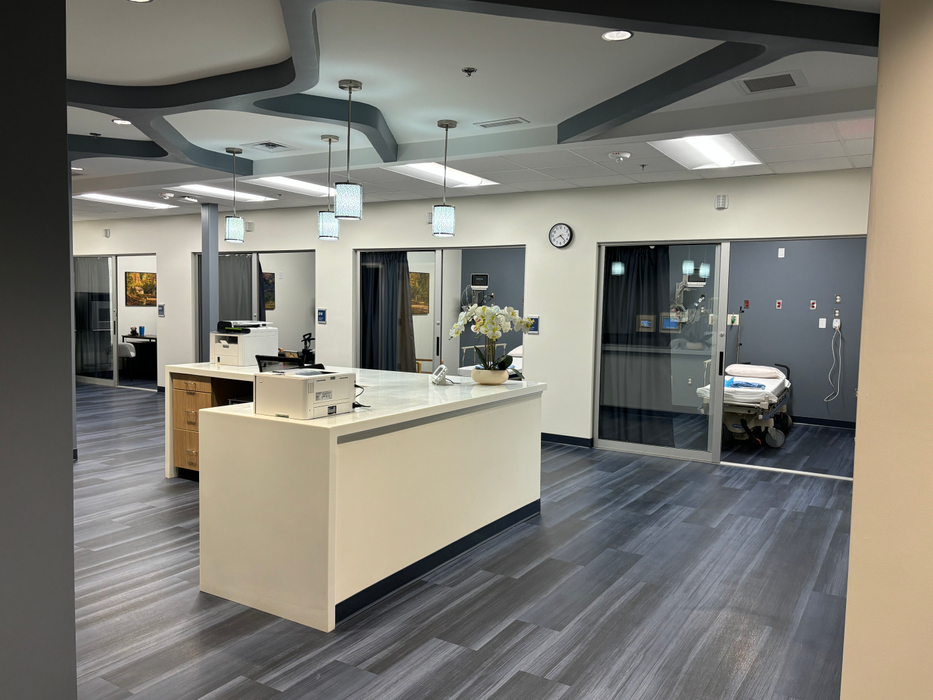
The Bottom Line
PAD is common, and it's serious if left untreated, but treating it doesn't have to mean a hospital admission for most patients. Two decades of research and nearly 100,000 procedures point to the same conclusion: outpatient endovascular care is safe, effective, and for a lot of patients, simply a better experience.
If you're dealing with leg pain, cramping, or a wound that won't heal, don't wait on it. Schedule a consultation with Southern Kentucky Vascular and let's figure out what the right setting for your care looks like.
This article is for general educational purposes and isn't a substitute for individualized medical advice. Talk with your vascular specialist about what treatment setting is right for you.
References
1. Hanna L, Rodway AD, Garcha P, Maynard L, Sivayogi J, Schlager O, Madaric J, Boc V, Busch L, Whyte MB, Skene SS, Harris J, Heiss C. Safety and procedural success of daycase-based endovascular procedures in lower extremity arteries of patients with peripheral artery disease: a systematic review and meta-analysis. EClinicalMedicine. 2024. https://www.ncbi.nlm.nih.gov/pmc/articles/PMC11406065/
2. Ansari A, Shah MA, Shah MA, Ansari Z. Safety of day-case endovascular interventions for peripheral arterial disease in a rural, underserved area. Therapeutic Advances in Cardiovascular Disease. 2020;14. https://pmc.ncbi.nlm.nih.gov/articles/PMC7475785
3. Subherwal NG, Subherwal SP, Nair S, Sastry A. Safety of Outpatient Endovascular Interventions for Peripheral Arterial Disease: Evidence and Applications for U.S. Practice. Vascular Disease Management. 2026. https://www.hmpgloballearningnetwork.com/site/vdm
4. Outpatient endovascular intervention: is it safe? Journal of Endovascular Surgery. 1998. https://pubmed.ncbi.nlm.nih.gov/9761575/
5. Outcomes of elective peripheral endovascular interventions for peripheral arterial disease performed in hospital outpatient departments, ambulatory surgical centers and office-based labs. Journal of Vascular Surgery. https://www.sciencedirect.com/science/article/pii/S0741521423002744
6. Southern Kentucky Vascular internal outcomes data. Outpatient Endovascular and Interventional Society (OEIS) registry dashboard, data through 11/24/2026.