
Aneurysmal disease, a condition affecting blood vessels, can often be a source of concern and confusion for many. Understanding this complex medical issue is the first step toward managing it effectively and maintaining vascular health. At Southern Kentucky Vascular, we believe that informed patients are empowered patients, and our goal is to provide clear, compassionate answers to your most pressing questions about aneurysmal disease. This blog post aims to shed light on some of the most common inquiries we receive, helping to demystify the condition and highlight the importance of expert care.

What Exactly Is an Aneurysm?
At its core, an aneurysm is a weakening in the wall of a blood vessel that causes it to bulge outwards like a balloon. While aneurysms can occur in any blood vessel, they are most commonly found in the aorta (the body's largest artery), particularly in the abdomen (abdominal aortic aneurysm or AAA) or chest (thoracic aortic aneurysm or TAA), and in the brain (cerebral aneurysm).
The danger lies in the potential for the weakened wall to rupture, leading to severe internal bleeding, which can be life-threatening. The size and location of an aneurysm, along with its rate of growth, are critical factors in determining the risk of rupture and the appropriate course of action. It's important to understand that not all aneurysms are immediately life-threatening, but all require careful monitoring and professional evaluation.

What Are the Primary Causes and Risk Factors for Aneurysms?
Aneurysms don't typically appear out of nowhere; they often develop over time due to a combination of factors. The following are some of the most common causes of aneurysms.
Atherosclerosis: Plaque buildup stiffens and narrows arteries, weakening vessel walls.
High Blood Pressure: Chronic hypertension places excess stress on arterial walls.
Smoking: Damages blood vessels directly and speeds up plaque accumulation.
High Cholesterol: Contributes directly to arterial plaque and vessel degradation.
Family History & Genetics: Inherited traits significantly increase your baseline risk.
Age: Risk rises substantially for individuals over age 60.
Connective Tissue Disorders: Conditions like Marfan or Ehlers-Danlos syndrome weaken structural vessel tissue.

Do Aneurysms Always Present with Noticeable Symptoms?
Most aneurysms develop silently without early warning signs. As they expand, symptoms depend on their location:
Abdominal: A pulsing sensation near the navel or persistent, deep pain in the back or side.
Thoracic (Chest): Chest or upper back pain, persistent hoarseness, or shortness of breath.
Brain (Ruptured): An abrupt, severe headache accompanied by nausea or vision changes.
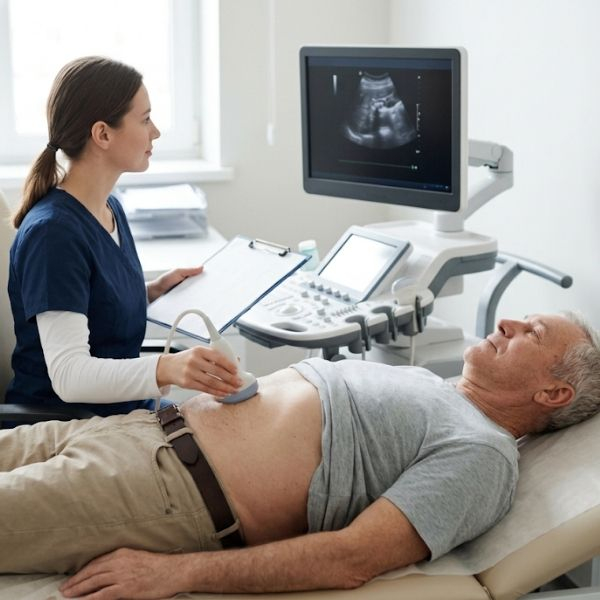
How Are Aneurysms Diagnosed, and What Can I Expect?
Because early aneurysms rarely cause discomfort, detection relies on quick, non-invasive imaging scans:
Ultrasound: Painlessly screens and measures abdominal blood vessels using sound waves.
CT Scan: Delivers detailed, cross-sectional views to evaluate precise vessel size and structure.
MRI: Maps arterial blood flow and soft tissues without radiation exposure.

What Are the Treatment Options for Aneurysmal Disease?
Care plans depend on the aneurysm's size, location, and growth rate:
Active Surveillance: Small, stable aneurysms are closely monitored with periodic imaging and blood pressure management.
Endovascular Repair (EVAR/TEVAR): A minimally invasive procedure placing a stent-graft via a catheter to reinforce the weakened vessel wall.
Open Surgery: Direct repair where the weakened artery segment is replaced with a durable synthetic graft.

Can Aneurysms Be Prevented, or Their Progression Slowed?
While genetics and age cannot be altered, you can slow aneurysm growth by actively protecting your vascular health. Quitting smoking is essential to prevent vessel damage, while managing blood pressure and cholesterol reduces mechanical strain on arterial walls. Finally, staying active, eating well, and scheduling routine screenings—especially with a family history—help safeguard artery elasticity.
Understanding aneurysmal disease is a journey that begins with knowledge and vigilance. By being aware of the risks, symptoms, and diagnostic and treatment options, you can take an active role in safeguarding your vascular health. Southern Kentucky Vascular is dedicated to providing advanced, compassionate care for patients in Somerset, offering expertise in managing complex vascular conditions. If you have concerns about aneurysmal disease or wish to learn more about your vascular health, we encourage you to make an appointment with our experienced team to discuss your individual needs and the best path forward.